Posts

Neuro Note 3: The Fundamentals of Caring
Image
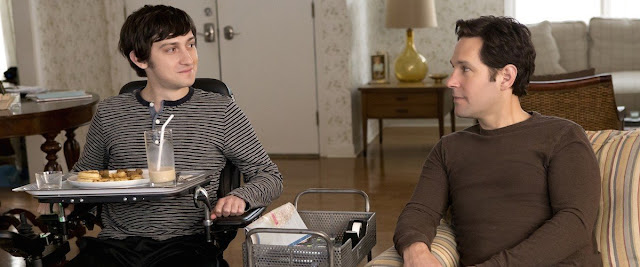
"Caregiving is not just about feeding, clothing, and cleaning. It is also about understanding how to navigate a complicated relationship between those who give care and those who are in need of it." This is the first line of the movie The Fundamentals of Caring. The movie is based on the book "The Revised Fundamentals of Caring" by Jonathan Evison and can be watched on Netflix. I chose to watch this movie because I had heard great things about it, and I was curious about the title. The movie is about a teenage boy, Trevor, who has muscular dystrophy and his caregiver, Ben. I highly recommend this movie, so I am not going to give away the plot line. However, some key things stood out to me in the movie. Trevor and Ben get along really well which is great for the two of them. However, at one point they get into a fight and Trevor's mom finds out. Trevor's mom pulls Ben aside and explains that she's so glad they they get along well, but she can't...

Conceptual Model of Occupational Therapy

Image
References Ameri can Occupational Therapy Association. (2014). Occupational therapy practice framework: Domain and process (3rd ed.).  American Journal of Occupational Therapy, 68 (Suppl. 1), S1– S48.  http://dx.doi.org/10.5014/ajot.2014.682006     O’Brien, J. C. & Hussey, S. M. (2017).  Introduction to occupational therapy  (5 th  ed.).   St. Louis, MO: Mosby, Inc.   ISBN: 9780323444484  

Inside the O'Briens

Image
Reading Inside the O’Briens by Lisa Genova has been extremely beneficial to my learning process in Neurological Aspects of Occupational Performance. It has given me an insight to the impact that a diagnosis may have on an individual’s relationships. It is important and interesting to learn about the symptoms and treatments of each neurological disorder. However, as occupational therapists it is essential to think beyond just symptoms and treatments because we use a holistic, client-centered approach. Inside the O’Briens is a good reminder of all the “behind the scenes” emotions and conversations that unfold when an individual receives a diagnosis such as Huntington’s disease. While the story of the O’Briens is fictional, it is realistic and unfolds in a way that makes the reader think about how this would affect any family. The conversations that took place in this story gave me a deeper understanding of Huntington’s Disease, the process of being tested for the inherited ge...

Neuro Note 2: Alex's ALS Journey

For this Neuro Note I watched a YouTube video called “Alex’s ALS Journey.” This is a 15 minute video compiled of home videos taken mostly by Alex’s wife from when Alex was first diagnosed to when he passed away. It specifically stood out to me because it showed Alex doing activities of daily living (ADLs). I appreciated the insight into how hard a task, that many of us take for granted such as brushing our teeth, became for Alex. While the video had sweet & light hearted clips, it also showed the reality & struggles that come along with an ALS diagnosis. The video showed Alex’s wife caring for him every step of the way from dressing, to showering, to feeding him as the disease progressed. Alex began to blog to encourage other’s with ALS. However, soon after his fingers began to hurt too much to type and he lost the use of them. He began to type with his nose using an iPad in stead. When he was no longer able to use his nose, he used a device that tracked his eyes and blinkin...

Model of Occupational Self Efficacy

The Model of Occupational Self Efficacy is a Model of Practice that works through a process of accepting the consequences and occupational limits that individuals may face after suffering a traumatic brain injury.  It can be used with adolescents, adults, and the elderly in a hospital, home, or workplace. The goal is to help alleviate any frustration, anger, and disappointment the client may experience in order to develop their self-efficacy beliefs. This model is made up of four stages: Stage 1: Strong Personal Belief in Functional Abilities Client may feel frustrated, demotivated, and angry because they can no longer participate in their daily life functions. The therapist will provide the client with opportunities for rehabilitation and resources. Stage 2: Use of Self Client may choose which opportunities they are specifically interested. They can then participate in the intervention process to increase their occupational participation. Stage 3: Creation of Competency...